
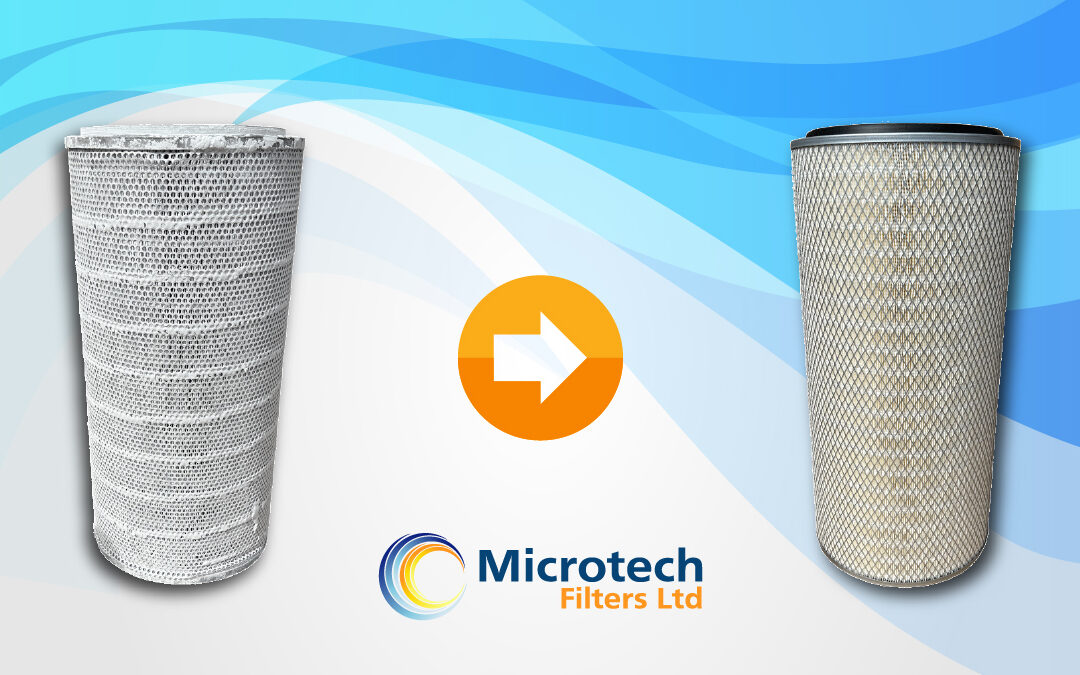
In the ever-changing landscape of industrial and commercial filtration, a question we are often asked is “Are filters washable?" or "Can you clean filters?. As filter manufacturing technologies advance, the answer increasingly leans towards "yes," thanks to innovative filter mediums and cleaning techniques. This breakthrough has significant implications for operational efficiency, maintenance costs, and environmental impact. In this article, we delve into the latest developments in filter cleaning technologies, examining how modern filters can be effectively cleaned using air and water, and in doing so, extending their lifespan and enhancing machinery uptime.
The Evolution of Filter Mediums
Traditionally, filters were designed with a focus on filtration efficiency and durability, often at the expense of cleanability. Conventional filter materials, such as cellulose or basic synthetic fibres, were not conducive to thorough cleaning. Once clogged with particulate matter, these filters typically required replacement rather than rejuvenation.
However, advancements in filter mediums have revolutionized this paradigm. Modern filters now incorporate advanced materials like non-woven polypropylene, PTFE (polytetrafluoroethylene), and other high-performance synthetic fibres. These materials offer not only superior filtration efficiency but also enhanced robustness, making them amenable to rigorous cleaning processes without compromising their structural integrity or filtration capabilities.
Can you clean Filters with Air?
Compressed air cleaning is one of the most effective methods for maintaining filter performance. This technique, often employed in industrial dust collection systems, involves directing a powerful stream of compressed air through the filter medium. The reverse airflow dislodges accumulated dust and particulate matter, which is then collected and removed from the system.
The benefits of using compressed air to clean filters are:
1. Extended Filter Life: By regularly removing debris, filters maintain their permeability and efficiency for a longer period, reducing the frequency of replacements.
2. Reduced Downtime: Equipment can continue operating at optimal performance levels with minimal interruptions for filter maintenance.
3. Cost Savings: Fewer replacements mean lower operational costs over time.
Can you clean Filters with Water?
For filters used in environments where wet contaminants are prevalent, water cleaning can be highly effective. Advanced filter materials are now designed to withstand water without degrading. This method typically involves a thorough rinse using high-pressure water jets, sometimes combined with mild detergents to break down stubborn contaminants.
Water cleaning offers several advantages:
1. Thorough Cleaning: Water can penetrate and flush out particles that air cleaning might miss, especially in filters dealing with sticky or oily substances.
2. Eco-Friendly: Utilising water as a cleaning medium can reduce the reliance on chemical cleaning agents, promoting a greener, more sustainable maintenance practice.
3. Enhanced Performance: Regular water cleaning ensures that filters operate at peak efficiency, supporting the overall performance of the machinery they protect.
Practical Considerations for cleaning Filters
While the potential for cleaning filters is promising, several practical considerations must be addressed to ensure optimal results:
1. Material Compatibility: Not all filter materials are suitable for cleaning with air or water. It's crucial to select filters specifically designed to withstand these cleaning methods.
2. Cleaning Frequency: Establishing an appropriate cleaning schedule is vital. Over-cleaning can cause unnecessary wear, while under-cleaning can lead to clogging and reduced efficiency.
3. Cleaning Equipment: Investing in the right cleaning equipment, such as high-quality air compressors or water jet systems, is essential for effective filter maintenance.
4. Training and Protocols: Ensuring that maintenance personnel are trained in the correct cleaning procedures can prevent damage to filters and maximise their lifespan.
The Impact on Operational Efficiency
The ability to clean filters effectively translates to significant improvements in operational efficiency. With longer-lasting filters, machinery experiences fewer interruptions, leading to increased uptime and productivity. This reliability is crucial in industries where even brief downtime can result in substantial financial losses.
Also, by extending the life of filters, reduces the environmental impact associated with frequent replacements. By minimizing waste and conserving resources, companies can enhance their sustainability profiles, while also benefiting financially from reduced procurement and disposal costs.
Conclusion
So, are filters washable? Thanks to advancements in filter medium technology and cleaning techniques, the answer is a resounding yes. By leveraging the power of air and water, modern filters can be maintained and rejuvenated, offering extended life and improved performance. This evolution not only supports greater operational efficiency and cost savings but also aligns with the growing emphasis on sustainable practices.
For businesses looking to optimise their filtration systems, investing in washable filters and the corresponding cleaning infrastructure is a forward-thinking strategy. By doing so, they can ensure that their machinery operates smoothly and efficiently, paving the way for long-term success and sustainability.
About Microtech Filters
Microtech Filters have been operating since 1984 and have a wealth of experience when it comes to manufacturing filters. If you are looking for washable filters, we can advise you on the best mediums to use and support you in manufacturing filters that will have a significantly positive impact on your business operations, profitability and environmental credentials. Get in touch to see how we can help you.